Cold Water, New Tricks: PADI Sidemount Training at Boiling Spring Lakes
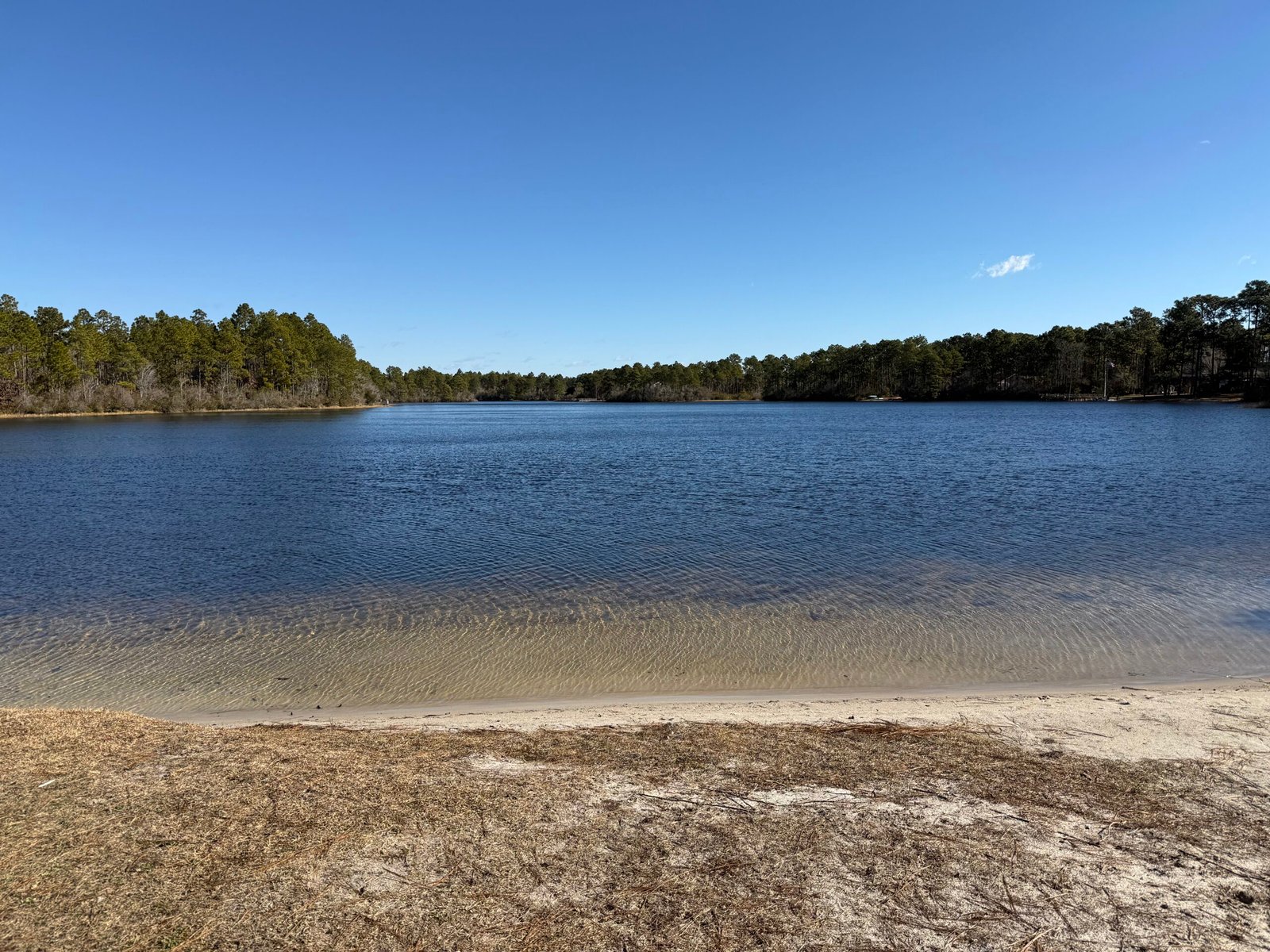
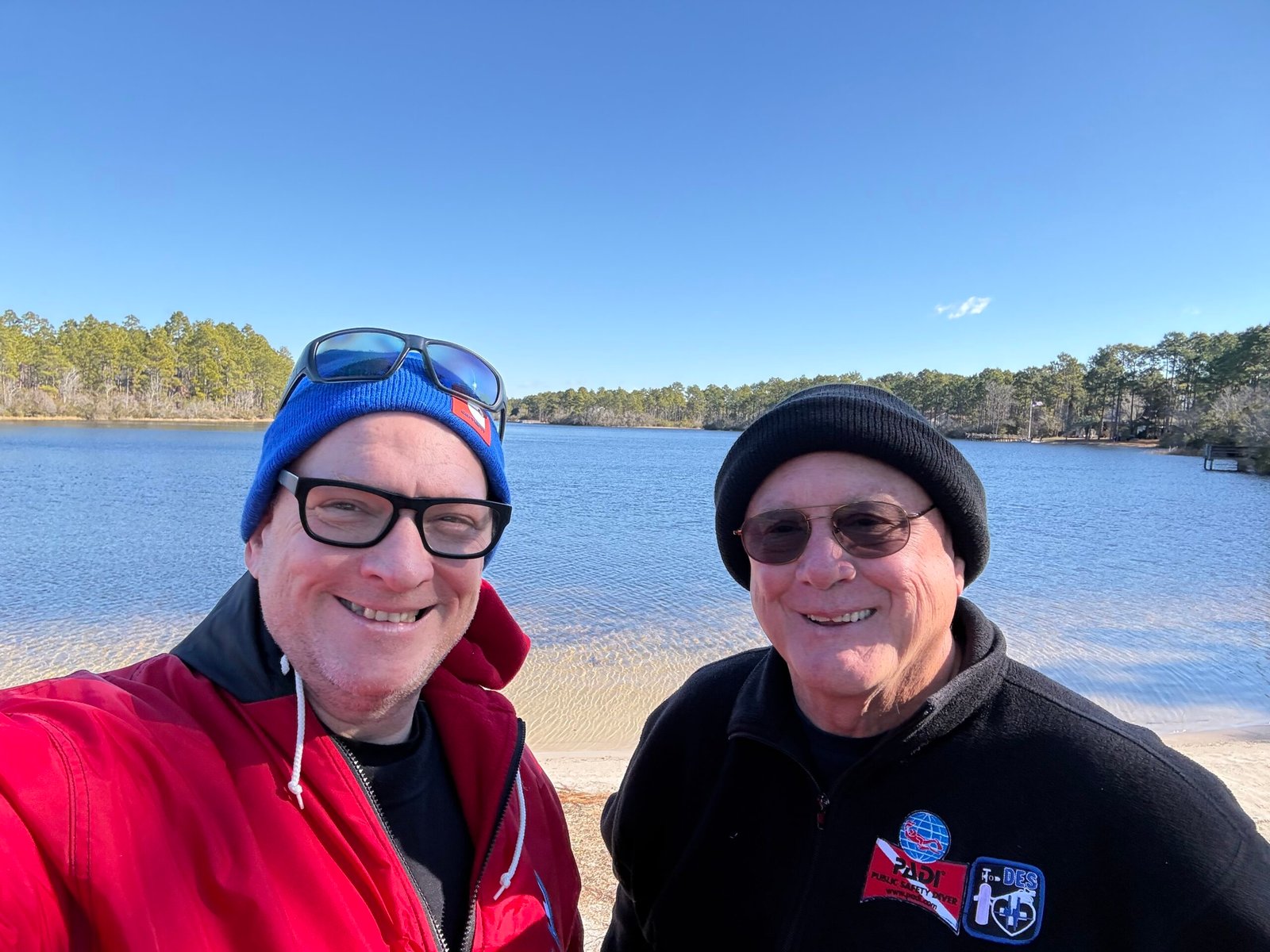
Boiling Spring Lakes, North Carolina does not sound like a place where you expect to be cold.
But there we were.
Forty-five degree air. Forty-three degree water. Wind ripping across the surface like it had a personal vendetta against exposed skin. Drysuits zipped. Hoods snug. Fingers already plotting their rebellion.
Perfect conditions to learn something new.
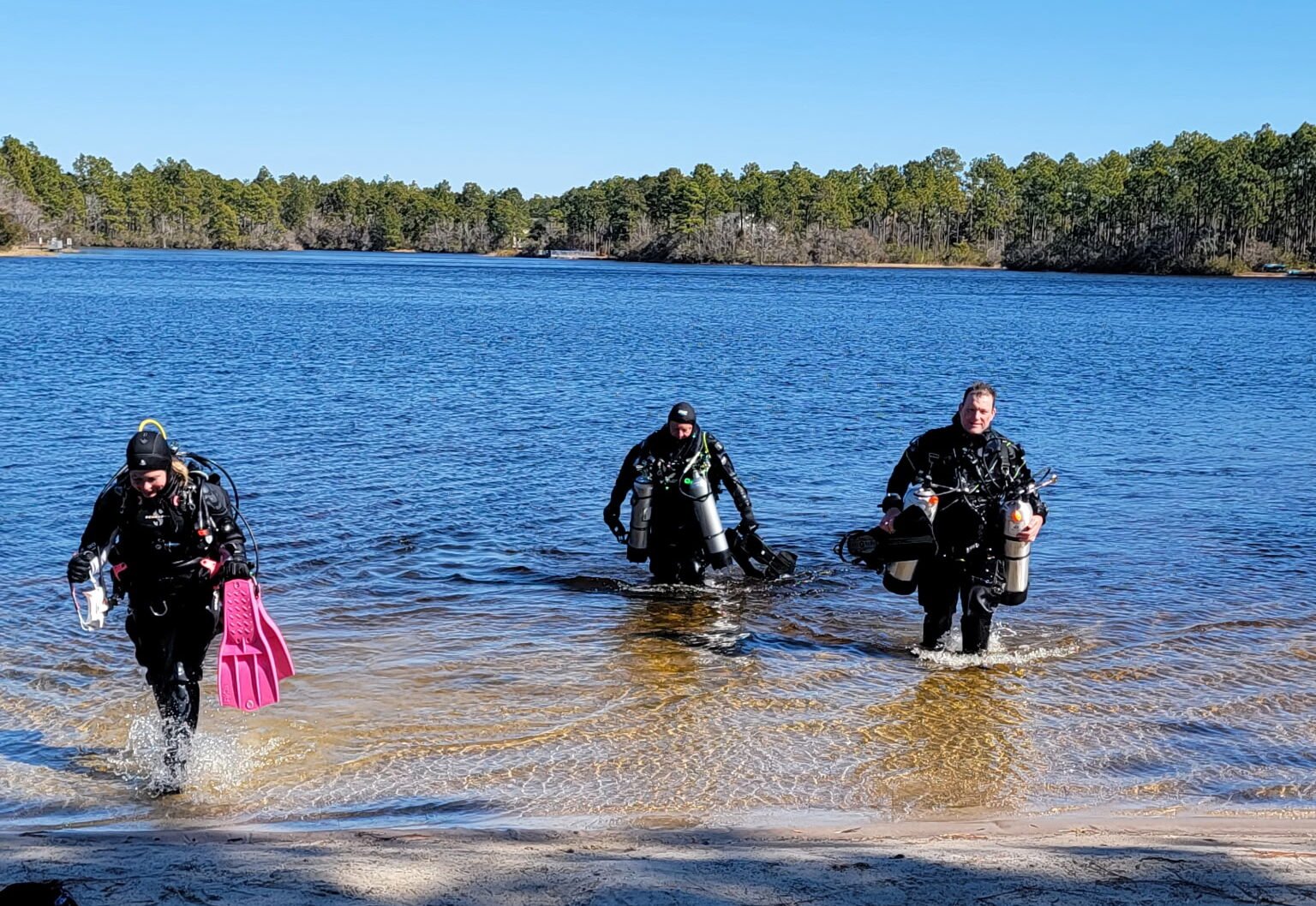
This weekend I was down at Boiling Springs training to teach the PADI Sidemount course, and if you’ve never seen sidemount in action, let me set the scene.
Instead of a single tank bolted to your back like a scuba turtle shell, sidemount divers wear their cylinders clipped along their sides. Sleek. Streamlined. Adjustable on the fly. It’s the configuration you see in caves, wreck penetrations, and anywhere the phrase “yeah, that space gets real tight” applies.
But that’s only half the story.
Why Sidemount Matters
Yes, sidemount shines when things get narrow. Tight swim-throughs. Restrictions. Places where a traditional back-mounted setup turns into a game of underwater geometry.
But the reason I’ve been drawn to sidemount for years is simpler and way more human.
Aging divers.
Let’s be honest. Forty, fifty, sixty-plus isn’t what it was when most of us learned to dive. Backs complain. Shoulders grumble. Knees negotiate.
Sidemount lets you kit up smarter.
You carry cylinders one at a time. You clip them on in the water. You reduce strain. You stay diving longer.
Years ago, sitting in my first sidemount seminar, I remember thinking, “This is it. This is how a lot of people stay in the water.”
And I fully plan to be one of them.
Is Sidemount Right for You?
Sidemount isn’t about being extreme. It’s about being intentional.
You might want to seriously consider sidemount if:
- You love diving, but your back, shoulders, or knees are starting to file formal complaints.
- You want to reduce the strain of hauling heavy gear from truck to water.
- You like the idea of clipping cylinders on in the water instead of wrestling them onto your spine.
- You’re curious about caves, wrecks, or tighter environments and want a configuration that scales with you.
- You plan to keep diving for decades, not just seasons.
Sidemount isn’t “better” than backmount. It’s different.
And sometimes different is exactly what keeps you in the water.
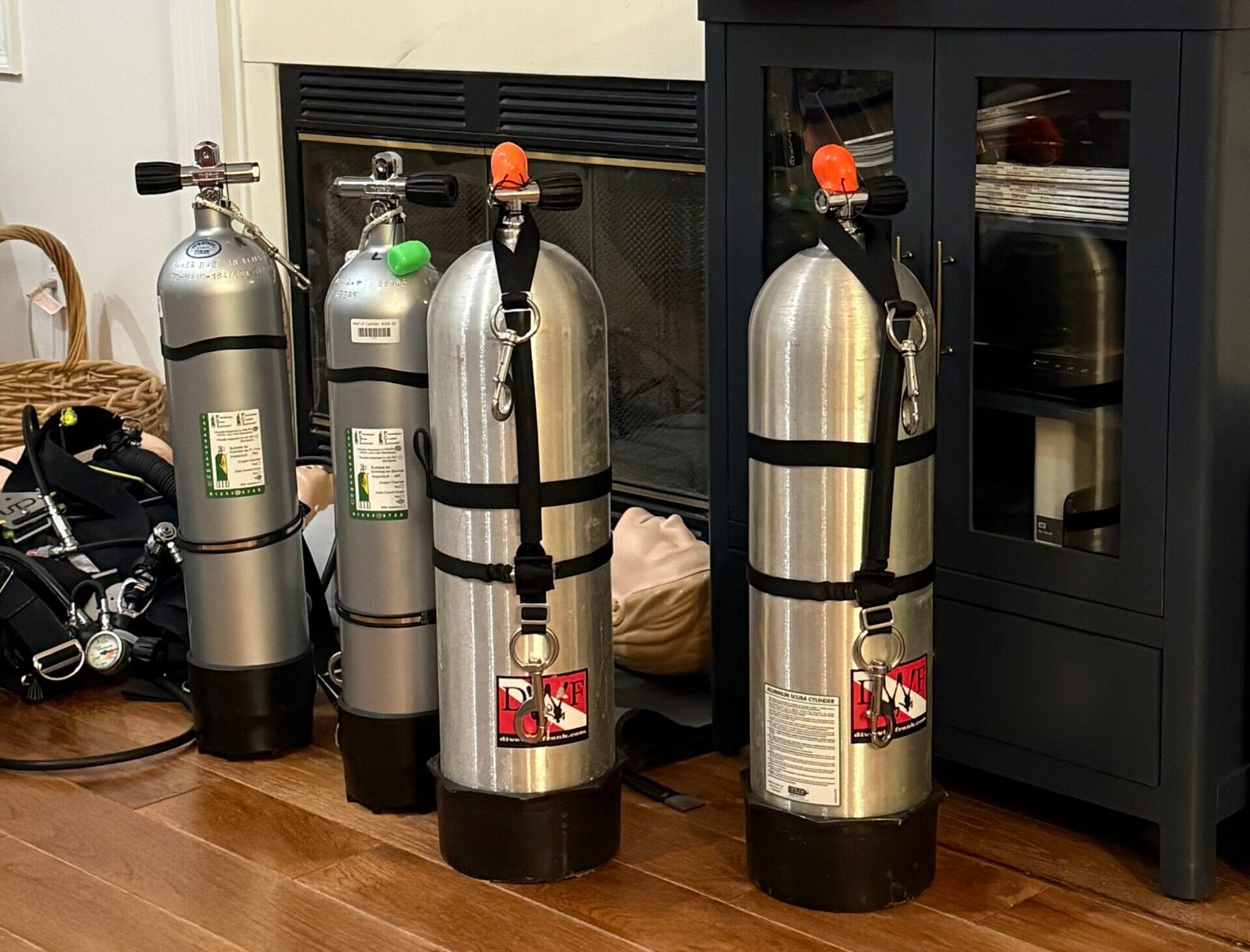
Learning in Hard Mode
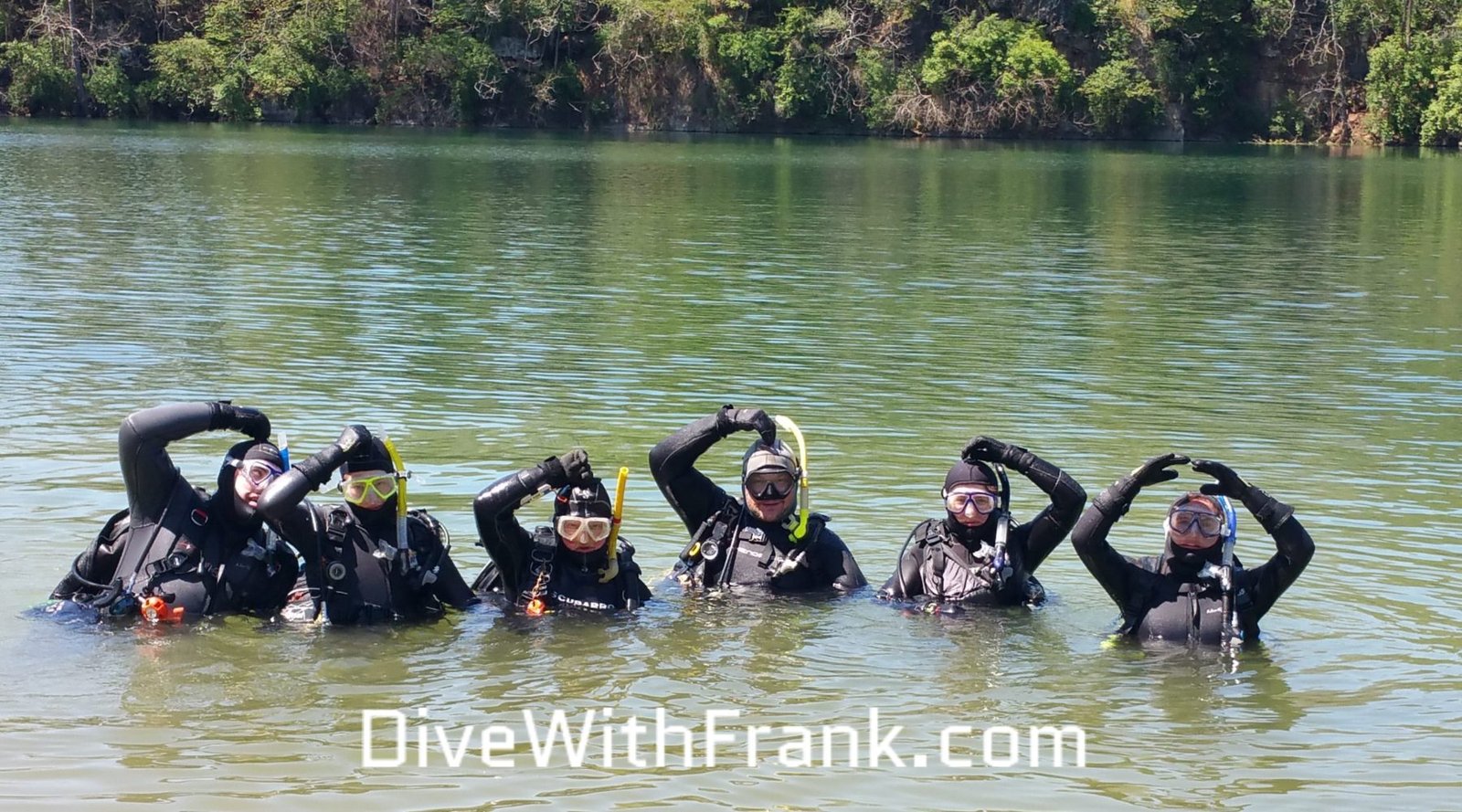
This wasn’t a tropical demo dive. This was drysuit sidemount in near-freezing water, with wind adding extra spice to every surface interval.
And honestly? That made it better.
Warm water hides mistakes. Cold water puts them on a billboard.
Every clip, every hose route, every adjustment matters more when your hands are numb and your buoyancy has opinions. Add the extra task loading of sidemount, and suddenly your brain is working just as hard as your fins.
Brutal? Yes.
Worth it? Definitely.
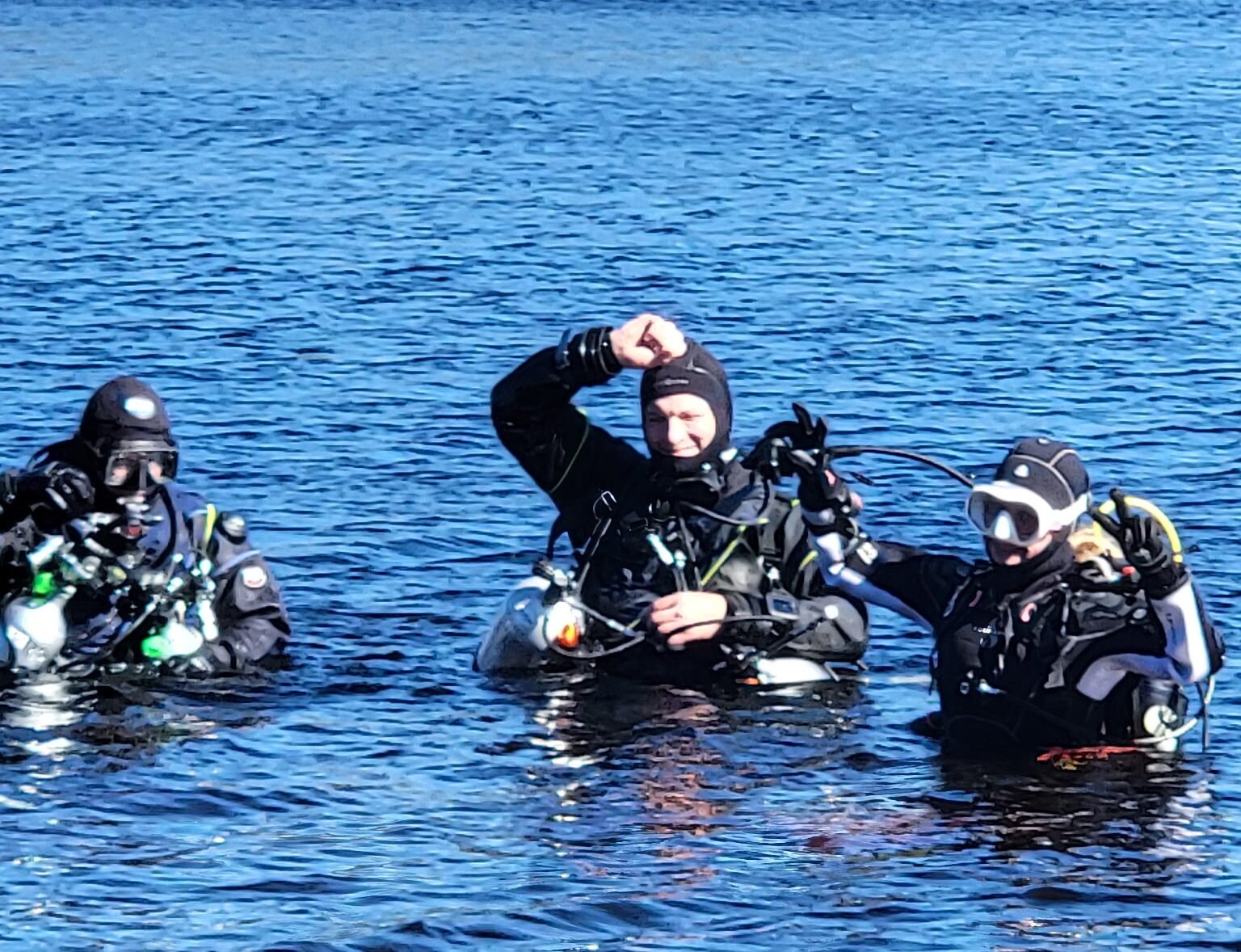
By the end of the day, things clicked. Trim settled. Movements smoothed out. The system started to feel like a tool instead of a puzzle.
And that’s the moment I love most in diving. When chaos turns into competence.
Diving With Fletch
I was down there with my course director, Fletch. We go back years, and he’s been a constant thread through my diving life. Instructor training, mentorship, hard-earned lessons. The kind of instructor who lets you struggle just enough to grow.
Training with people who know you is a gift. They see the shortcuts you try to take. They call you on them. And they make you better.
This weekend did exactly that.
So What’s Next?
I’m fired up.
I’m ready to teach sidemount.
Not as some exotic, extreme configuration reserved for cave divers with custom reels and secret handshakes, but as a practical, empowering option for real people.
Divers with back issues.
Divers who want more control.
Divers who plan to keep blowing bubbles for decades.
Because the more I learn in scuba diving, the more I realize how much there still is to learn. And that’s not frustrating.
That’s the magic.
If you’re curious about sidemount. If you’ve ever thought, “I love diving, but my body isn’t thrilled about the gear anymore.” If you want options instead of limitations.
Let’s talk.
Let’s do some diving.
And yeah. I fully expect to still be diving when walking gets tricky.
Why walk when you can dive?