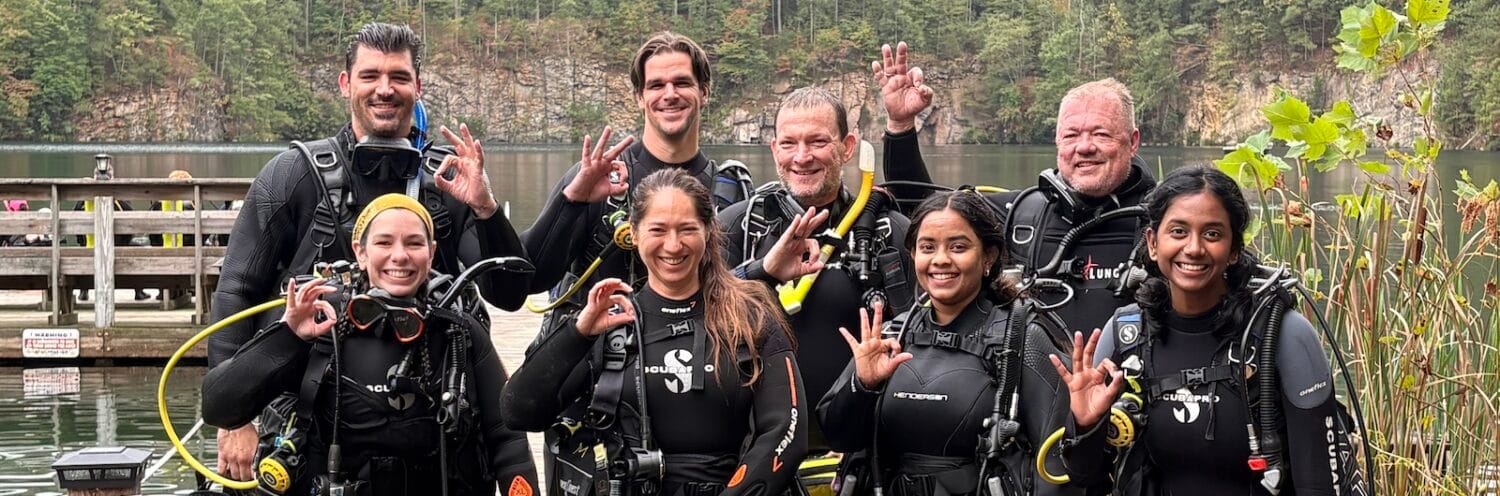
Hi, I’m Frank.
I’m a local dive instructor and small business owner, and I’ve been teaching people to dive for over a decade. I’ve worked with hundreds of students over the years, and I take that responsibility seriously.
Before diving, I was an EMT and a Public Safety Diver, and I’m also a BSA Merit Badge Counselor. Safety, good habits, and clear instruction are always the starting point.
Where It Starts
Good diving starts here. Calm, controlled, and comfortable in the water.
We begin in a place your school may already have: the pool.
Students learn how to breathe, move, and think underwater. They learn how to stay calm, stay aware, and build confidence one step at a time.
No rush. No pressure. Just good habits from the beginning.
What It Connects To
Once students are comfortable in the water, something interesting happens.
The focus shifts from, “How do I do this?” to, “What am I seeing?”
That opens the door to marine biology, ecosystems, environmental awareness, observation, buoyancy, pressure, physics, and curiosity.
Not as a lecture. As something they have actually experienced.
Where It Can Go
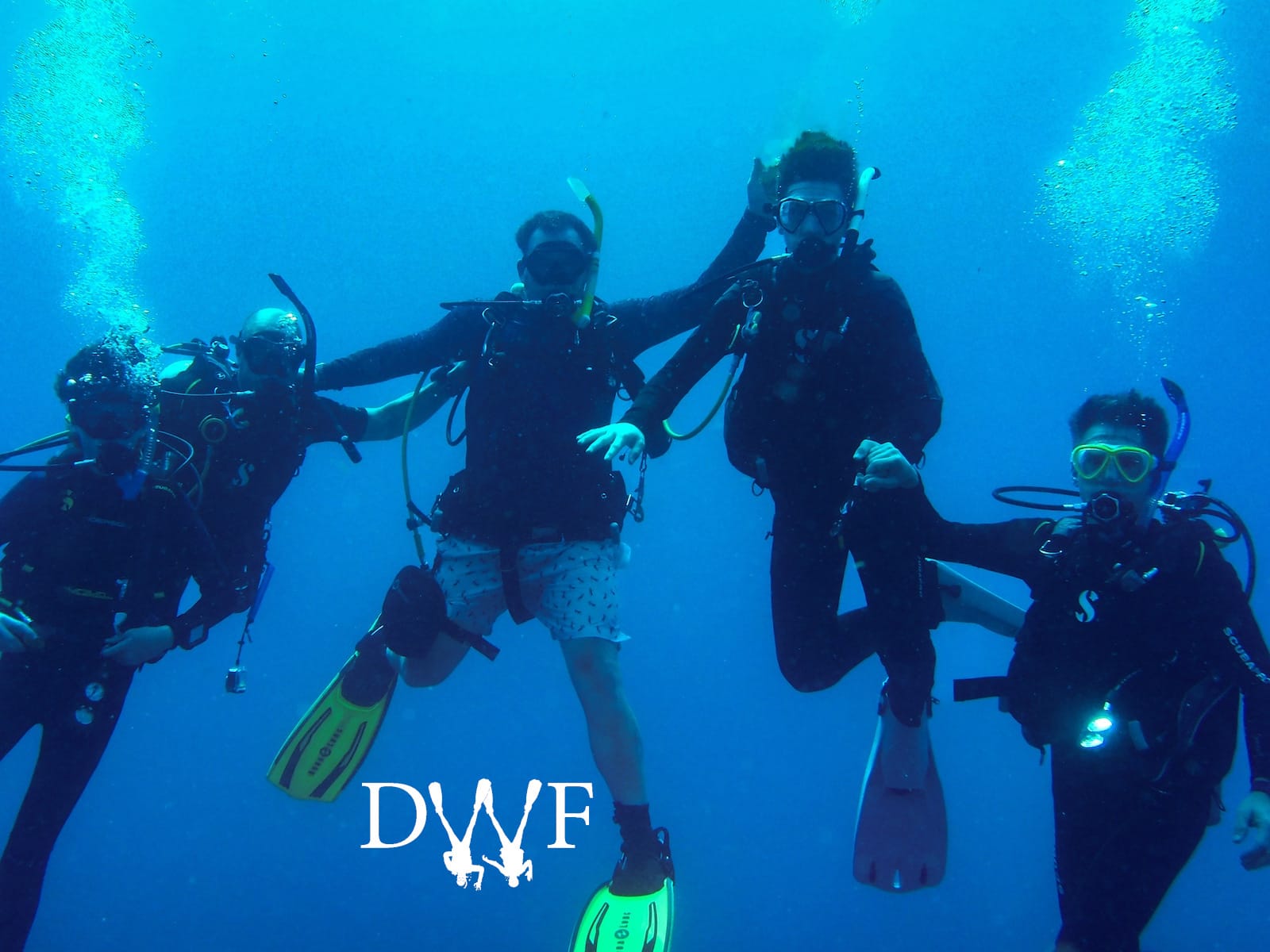
For students who want to keep going, there is a whole underwater world waiting.
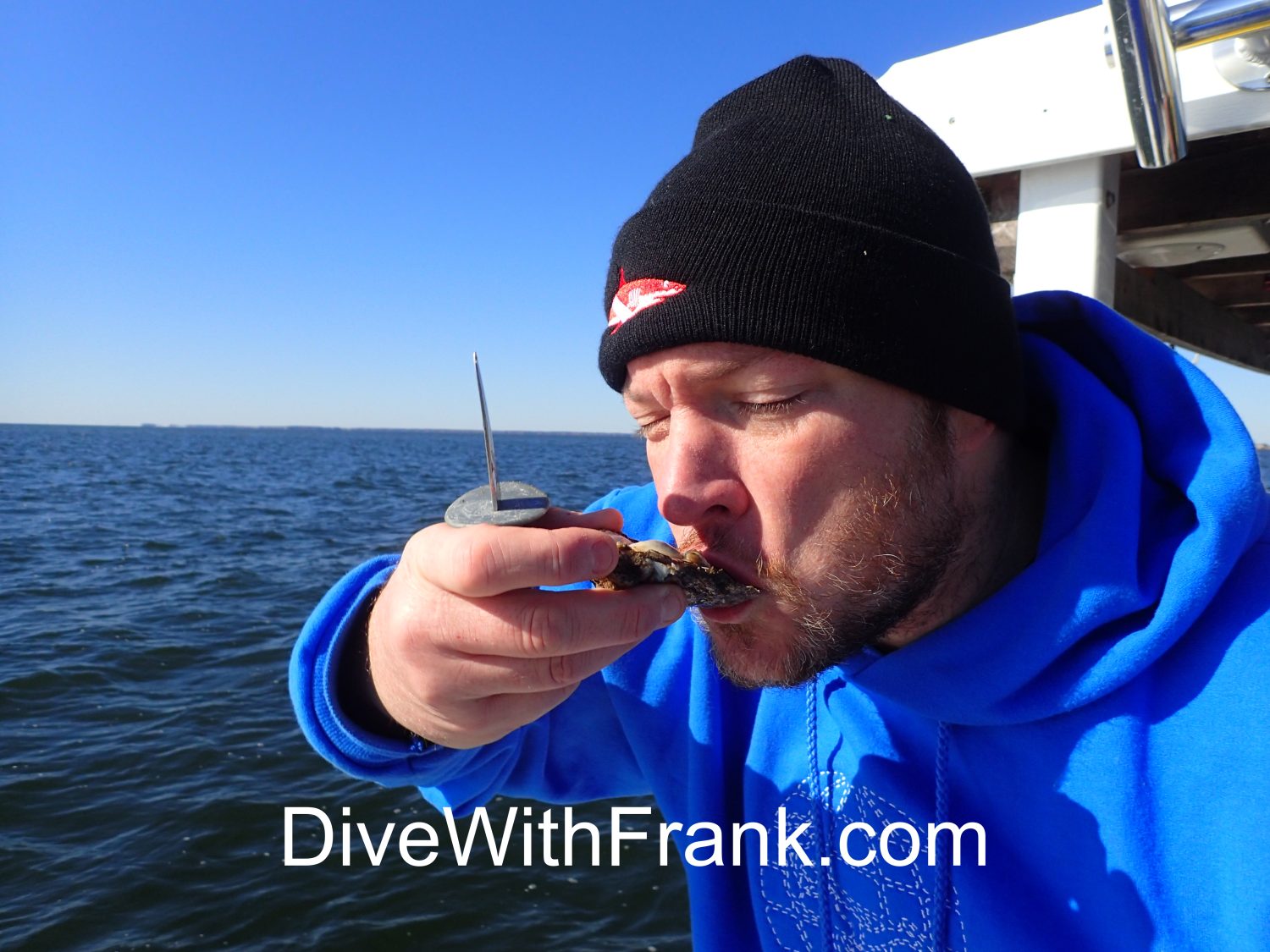
That might mean exploring oyster habitats in the Chesapeake Bay, searching for megalodon teeth off North Carolina, seeing reefs and marine life in the Caribbean, or simply becoming more confident and capable in the water.
There is no single path. Just opportunities to learn, grow, and see the world a little differently.
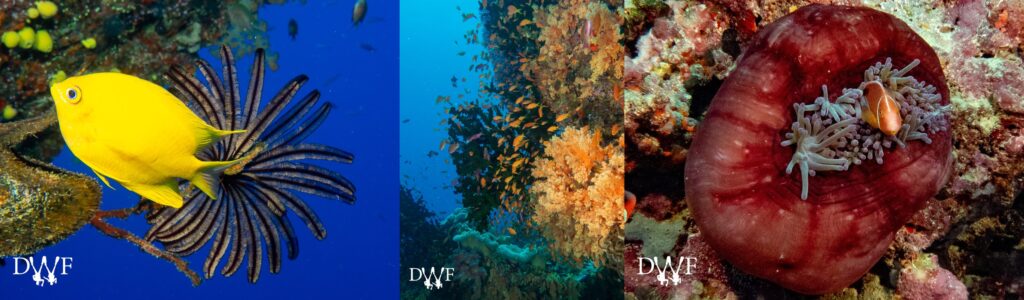
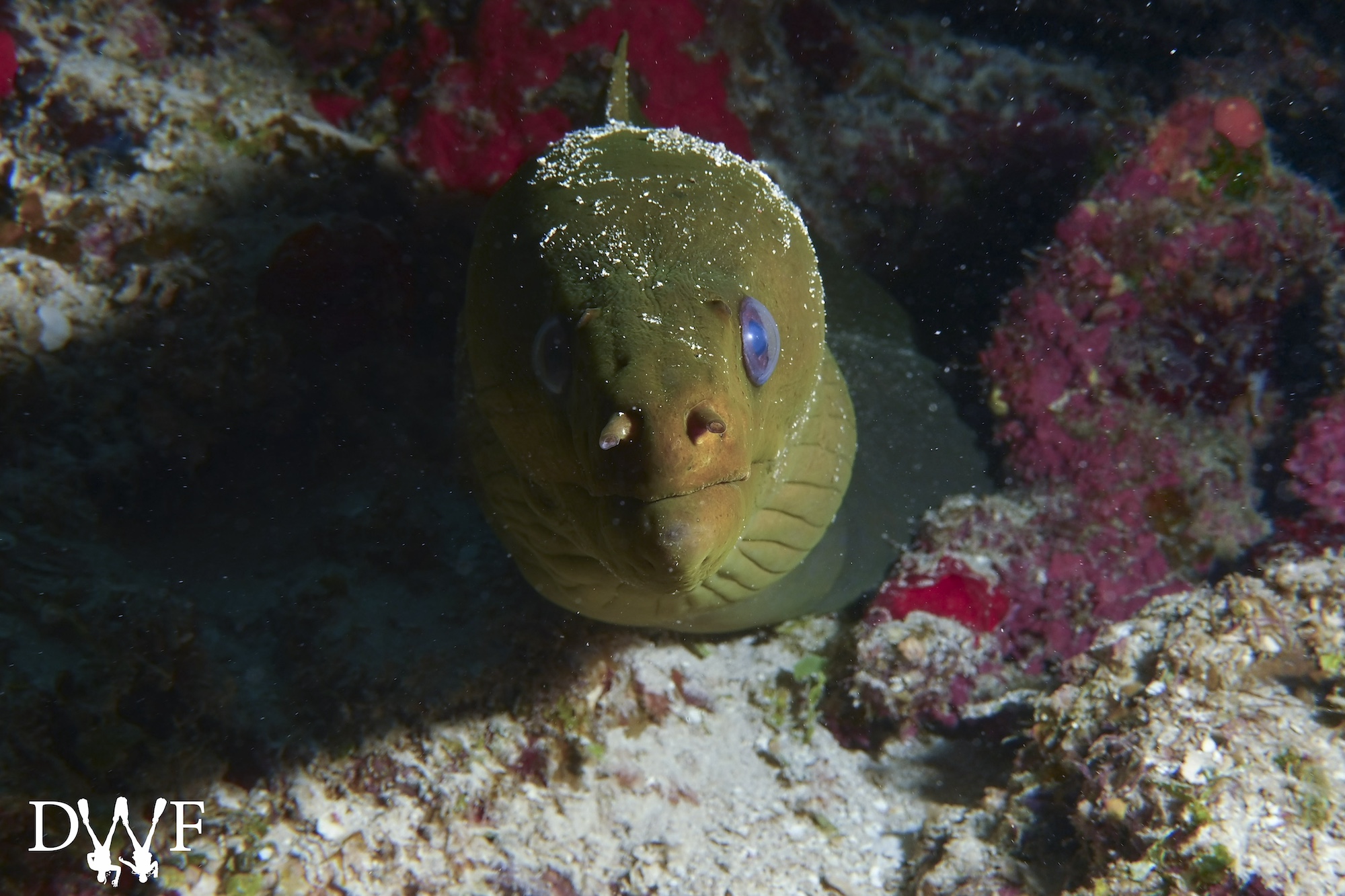
From individual species to entire reef systems, it all connects.
Why This Works for Schools
This can fit alongside what your school is already doing.
- It supports science without replacing classroom instruction.
- It adds a real-world, physical dimension to learning.
- It gives students something memorable to connect with.
- It can support clubs, enrichment, environmental awareness, and student leadership.
Most importantly, it is structured, safe, and taught with care.
What I Can Help With
Depending on the school, student interest, and available facilities, I can help with:
- Introductory scuba experiences
- Scuba certification pathways
- Scuba club mentorship
- Marine science and environmental awareness tie-ins
- Oyster ecology and Chesapeake Bay-focused programs
- Trip planning for appropriate student groups
The goal is not to force a one-size-fits-all program. The goal is to find something that works for your students.
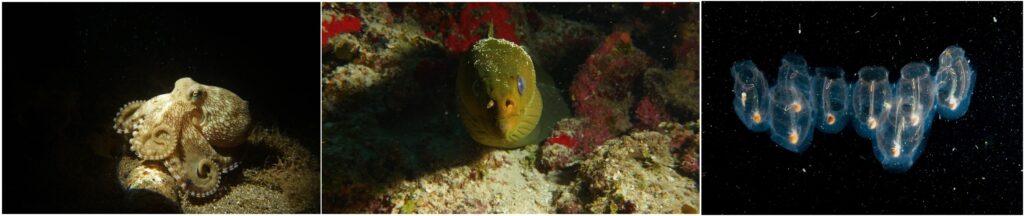
There’s a whole world down there most people never get to see.
Let’s Talk
If this sounds like something that could work for your students, just reach out.
Email: frank@divewithfrank.com
Phone: (201)667-2822
I’m happy to meet in person or talk by phone, whatever works best for your schedule.