Why Peak Performance Buoyancy is More Important Than You Think
Discover how dialing in your position in the water column optimizes your air, saves your gear, and completely changes the way you dive.
The 15-Second Answer
Buoyancy is the foundation of every single movement you make underwater. While most divers look at a Peak Performance Buoyancy course as an optional luxury, mastering this skill is actually the fastest way to improve your diving across the board.
Controlling your position naturally helps optimize your air consumption, prevents you from destroying expensive gear on the bottom, and drastically reduces physical fatigue. More importantly, it shifts your mental bandwidth away from fighting the water so you can focus entirely on the dive itself.
You do not technically need a specialty course to figure out buoyancy over time, but investing in focused practice will drastically accelerate your learning curve and maximize the value of every future dive trip.
Common Misconceptions About Peak Performance Buoyancy
Before we get too far into the weeds, let’s clear up a few things divers often misunderstand about buoyancy.
Buoyancy is just an Open Water skill.
No. Open Water introduces buoyancy, but that does not mean most divers have mastered it by the end of certification. Buoyancy is something divers refine for years.
Good buoyancy just happens naturally with experience.
Sometimes, but not always. Divers can build bad habits just as easily as good ones. Focused practice helps shorten the learning curve and gives you feedback you may not notice on your own.
Peak Performance Buoyancy is only for photographers.
Nope. Underwater photographers benefit from excellent buoyancy, but so does every diver who wants better air consumption, less fatigue, better control, and fewer accidental reef or bottom contacts.
If I am not crashing into things, my buoyancy is fine.
Not necessarily. Avoiding disaster is a good start, but strong buoyancy means being able to hold position, adjust depth calmly, protect the environment, conserve energy, and stay relaxed throughout the dive.
(Full disclosure: None of the photos in this article were taken on Day 1!)
Ask ten scuba instructors what the most important skill in diving is, and you will probably get a handful of different answers: air management, situational awareness, navigation, or rescue skills. They are all valid choices. But if you ask me? I am picking buoyancy every single time.
That is not hyperbole. Aside from the literal act of breathing, buoyancy is the one skill you will use during every second of your diving career. The ability to navigate the water column and, more importantly, stay exactly where you want to be is fundamental to everything we do down there. Anyone can sink, and anyone can float, but the real magic of scuba diving happens somewhere in the middle.
We All Start Learning on Day One
From your very first confined water session, you are already tangling with buoyancy. You are figuring out your weighting, learning how your BCD responds, and discovering that your lungs are actually a secondary buoyancy device. You are also learning that Archimedes has some very strict opinions about how all of this works, and you do not mess with Archimedes.
Once in a while, a rock-star student rolls into class and just gets it. They hover effortlessly, their trim is immaculate, and everything clicks instantly. But let us be honest: most of us are not that student. For the rest of us mere mortals, mastering buoyancy takes time, patience, and a whole lot of practice.
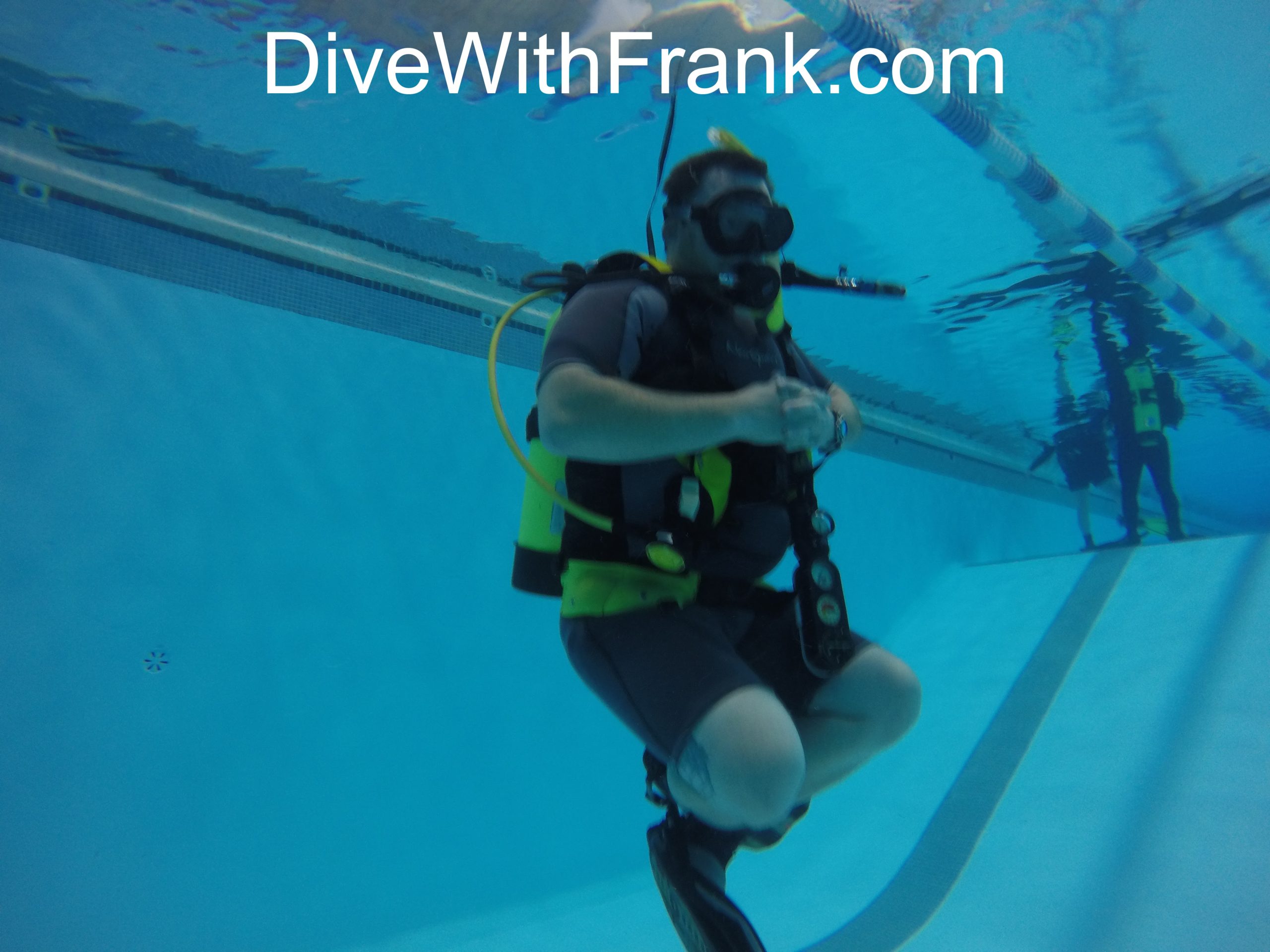
The Skydiver Versus Spiderman
To really understand buoyancy, we have to talk about its inseparable twin sister: trim. While buoyancy is your up-and-down position in the water column, trim is how your body is actually oriented horizontally.
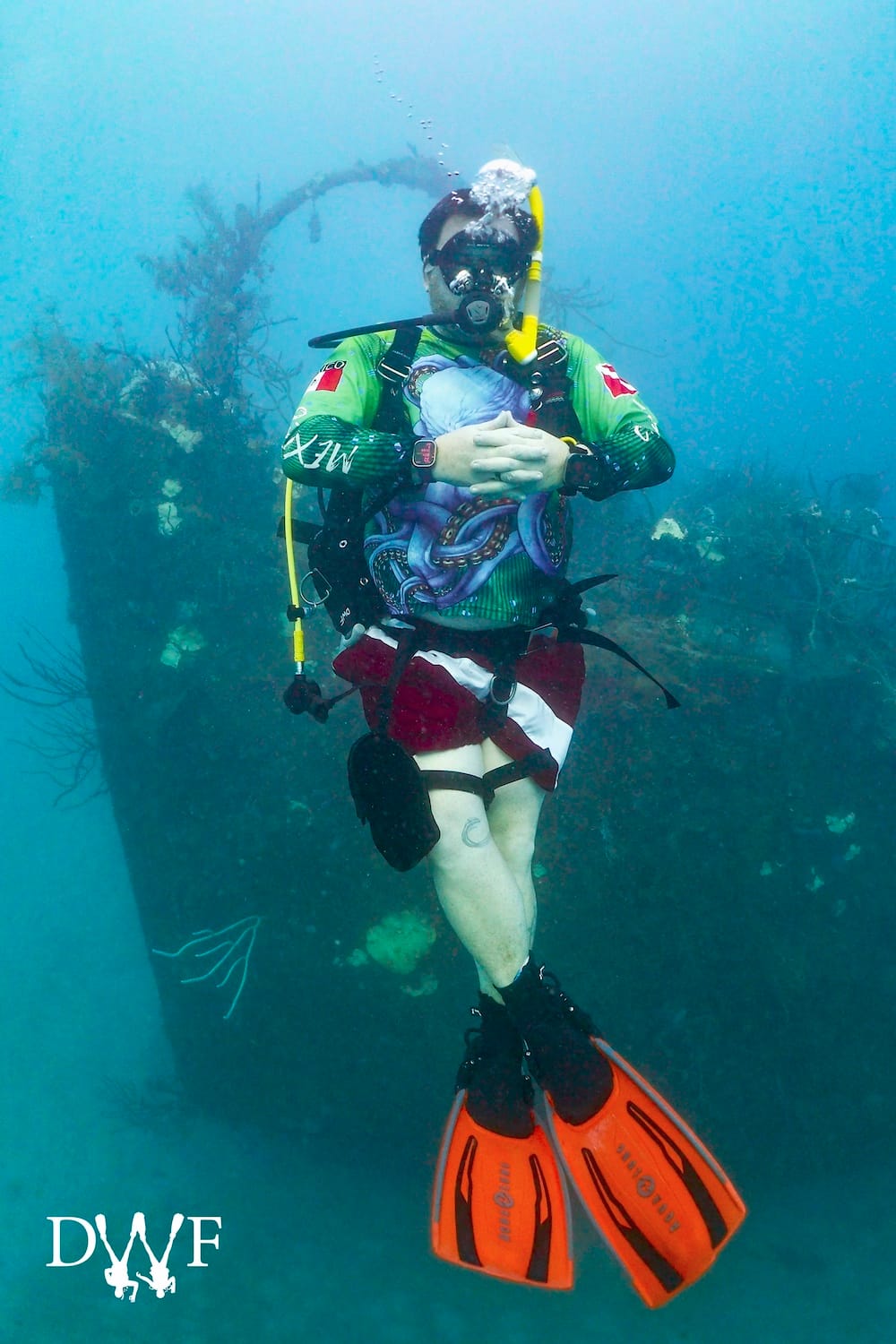
When you watch a skilled diver, they look like a skydiver in freefall. They are perfectly flat, horizontal, and parallel to the reef, with their knees bent at a ninety-degree angle and fins tucked up out of the way.
When you watch a struggling diver, they look like Spiderman trying to crawl up the side of a skyscraper. Their head is up, their hips are down, and they are kicking constantly just to keep from sinking. One of these positions is highly preferable.
When you are trapped in that diagonal Spiderman position, every single kick drives you upward, forcing you to dump air from your BCD. Then you stop kicking, sink, panic, and add air. Bad trim actively sabotages your buoyancy, turning your dive into a constant physical battle.
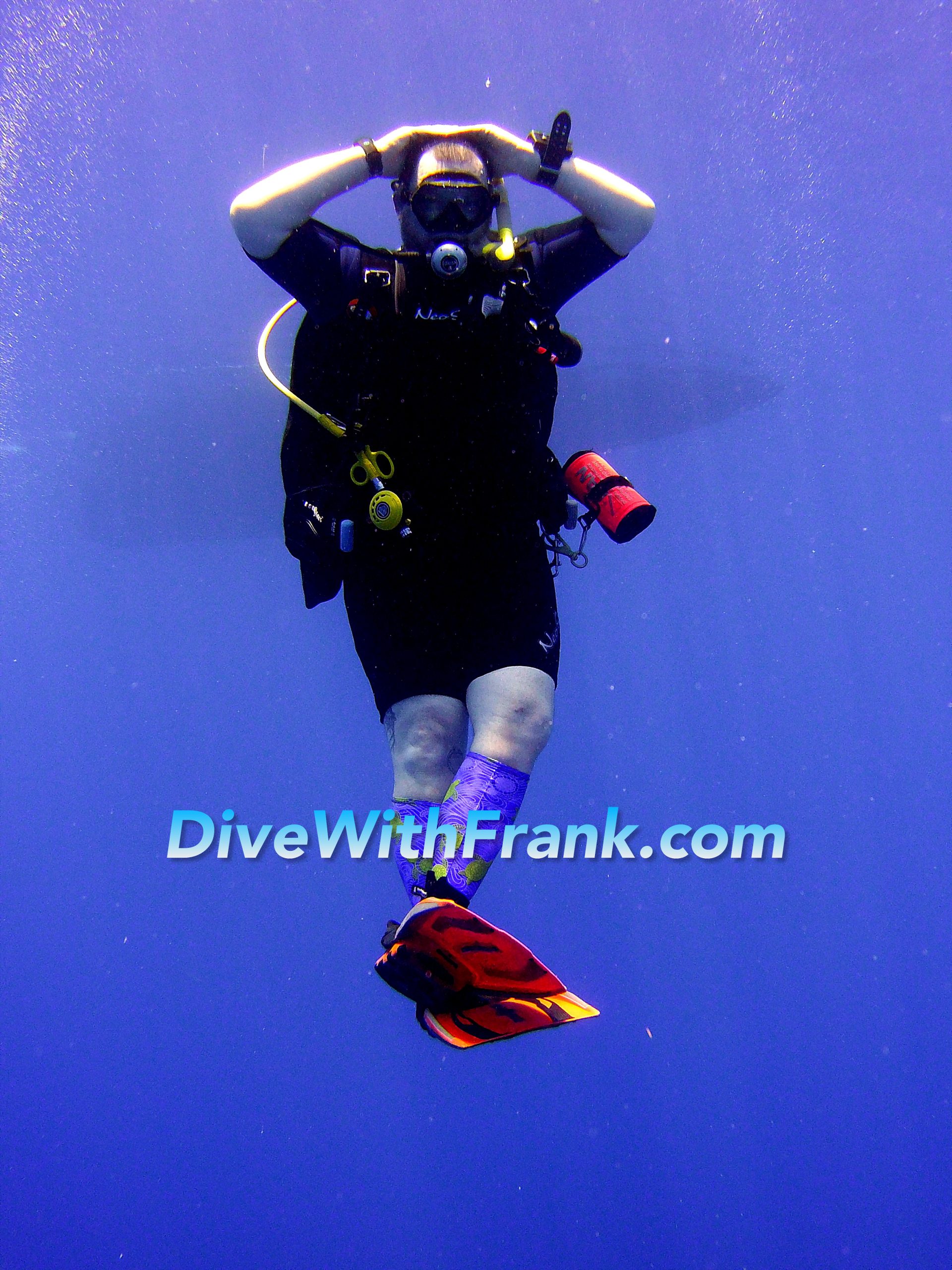
The Secret of Gear Tweaks and Ballpark Weighting
A major part of fixing your trim comes down to gear configuration and weight distribution. Most divers just throw all their lead onto a weight belt or drop it into their integrated BCD pockets and call it a day. But a Peak Performance Buoyancy course teaches you how to balance your personal center of gravity.
Are your legs sinking? Maybe we need to move a couple of pounds up to the trim pockets on your tank band. Are you using a heavy steel tank instead of an aluminum one? That changes your buoyancy profile as the dive progresses and your gas weight drops.
What happens when you switch from the freshwater quarry at home to the high-salinity waters of the ocean? Or what happens if you switch gear, exposure suits, or tank configurations between morning and afternoon dives? Spoiler alert: it rhymes with joyancy check.
You have to do a proper weight check every time your gear configuration changes. The ocean does not care what we think we should weigh; it only cares about what actually works.
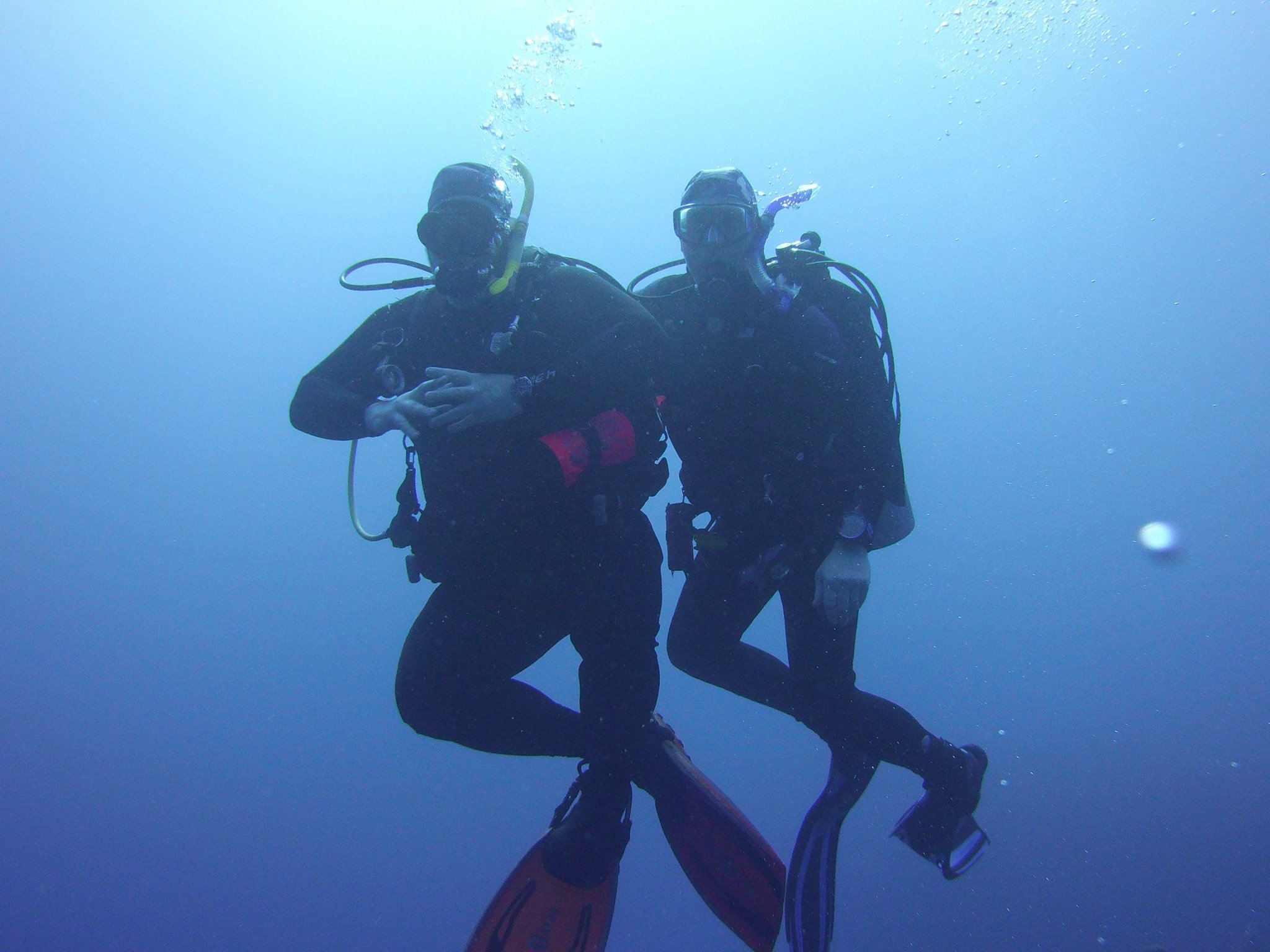
The Physics of the Forceful Exhale
When divers do start to struggle with their depth, the most common mistake is over-correction. To borrow one of DWF’s gold-standard rules: YOUR BCD INFLATOR IS NOT AN ELEVATOR BUTTON! Nothing turns Fun Frank into Grumpy Frank faster than watching a diver mashing that button expecting instant floor service.
Underwater physics does not work like a high-rise lift. When you sink a little, get nervous, and give the inflator button a long press, nothing happens immediately. So you press it again. Suddenly, you are rocketing toward the surface, so you panic and dump too much air, and down you go again. Welcome to the underwater yo-yo competition.
In a dedicated buoyancy course, you learn the actual anatomy of a correction. Short of a runaway ascent emergency, if you start drifting upward and you do not want to, the very first thing you should do is exhale forcefully.
Why not just dump air from your BCD right away? Because a deep, forceful exhale reduces your lung volume instantly. That sudden drop in volume might be just enough to stop your upward momentum and bring you back to neutral. If you immediately rush to dump air from your BCD instead, you will almost always dump too much. Then you have to put some right back in, restarting that frustrating, annoying cycle of messing with your inflator hose.
Learning to Use Your Lungs as a Fine-Tuner
The golden rule of buoyancy is simple: use your BCD to get into the ballpark, but use your breath control to dial it in.
With practice, your lungs become your primary tool for micro-adjustments. How deep of a breath you take, how much you exhale, and how long you pause at the top or bottom of a breath cycle all dictate your position in the water.
The biggest pitfall for newer divers is stacked breathing. I see it all the time: a diver gets a little distracted, slightly agitated, or just fascinated by a turtle, and they stop expressing all the air from their lungs. Breath by breath, they retain just a little too much air. Little by little, they start to drift upward until they are suddenly way farther up the water column than they ever intended to be. Mastering the discipline of the complete exhale is what separates the novices from the pros.
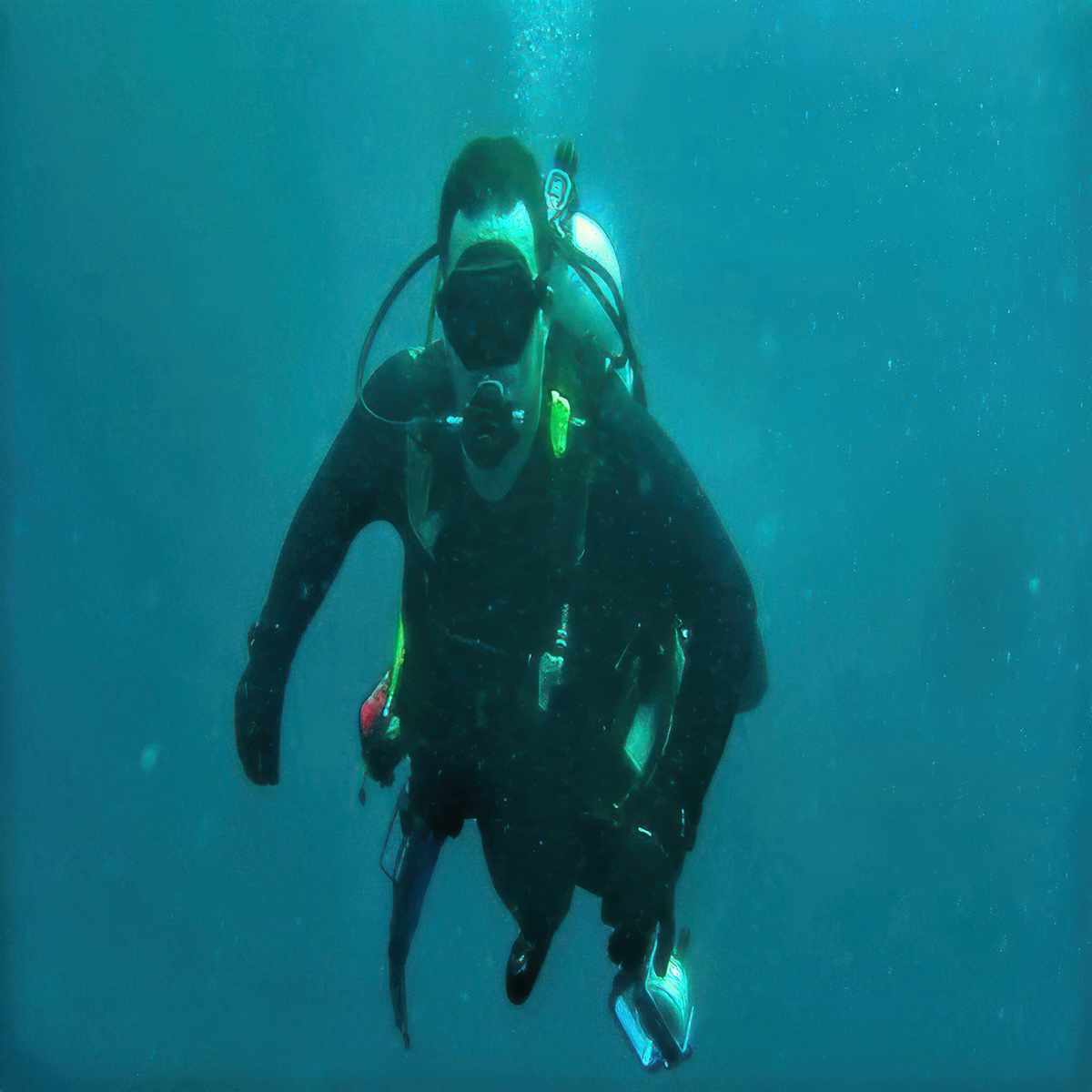
The Financial Math of Good Buoyancy
Let us talk about the actual economics of this course, because good buoyancy genuinely saves you money.
To start with the most obvious benefit: better buoyancy equals longer dives. You expend an enormous amount of time, effort, and money to travel to world-class dive destinations. Why would you want to cut your dives short at forty minutes because you spent the whole time fighting your weights and burning through your gas? Perfecting your buoyancy maximizes the literal return on investment for every single dive trip you take.
Then there are the hidden savings. Divers with poor control spend their time dragging their expensive gear through the muck, dirt, sand, and grit. They scrape their wetsuits, scratch their computers, and ruin their gear.
Furthermore, when you can dial in your buoyancy like a pro, you can get mere inches away from the marine life you traveled to see without any fear of harming it. You do not have to worry about crashing into a fragile coral head because you actually have total command over your body.
A View from Inches Away
As an underwater photographer, this skill is not just a luxury; it is my entire livelihood. Some of my favorite photographs happened simply because I could stop moving, hover, and wait.
When I was diving in the Philippines, I spotted a tiny porcelain crab nestled inside an anemone. Because my buoyancy was completely dialed in, I was able to glide into position and hover mere inches away from the reef. I did not have to worry about crashing into the environment, and I did not have to drop a knee onto the bottom to stabilize myself. Because I knew my buoyancy was rock solid, 100% of my mental bandwidth went into focusing my camera lens on that tiny crab.
A diver struggling with buoyancy would have kicked up a cloud of silt, bounced around, and likely scared the crab into hiding before ever getting the shot. Good buoyancy allows us to be polite guests in the ocean, giving us front-row seats to things the water only reveals to those who know how to stay still.

Is the Specialty Course Worth It?
Let us be direct: Do you need a Peak Performance Buoyancy course to become a great diver? No. Many incredible divers developed their skills the old-fashioned way through trial, error, and dozens of hours in the water.
What the specialty course actually offers is an accelerated learning curve. It provides a structured environment where you can focus entirely on weighting, trim, and breathing without the distraction of navigation or complex dive planning. You get a couple of dedicated dives to do nothing but fine-tune your control with an instructor watching your every move.
Could you figure it all out on your own? Absolutely. But if buoyancy truly is the foundation of every single dive you will ever do, investing a little time to fast-track that mastery is a pretty smart math problem to solve.
Frequently Asked Questions About Peak Performance Buoyancy
Is Peak Performance Buoyancy worth it?
For many divers, yes. If you are still fighting your depth, burning through air quickly, touching the bottom accidentally, or struggling to stay still underwater, focused buoyancy training can make a huge difference.
Do I need a Peak Performance Buoyancy course to become a good diver?
No. Plenty of excellent divers develop strong buoyancy through experience and practice. The course simply gives you focused time, structure, and feedback so you can improve faster.
Will better buoyancy help my air consumption?
Usually, yes. When you stop kicking constantly, overcorrecting, and fighting your gear, you tend to work less. Less physical effort often means calmer breathing and better gas management.
Does buoyancy matter if I am not an underwater photographer?
Absolutely. Photography makes buoyancy problems obvious, but every diver benefits from better control. Good buoyancy helps with comfort, confidence, buddy awareness, environmental protection, and overall dive enjoyment.
What is the difference between buoyancy and trim?
Buoyancy is your ability to control your position up and down in the water column. Trim is your body position in the water, especially whether you are horizontal, head-up, or feet-down. They work together, and poor trim can make buoyancy much harder.
Ready to Stop Fighting the Water Column?
If you are tired of playing the underwater yo-yo, burning through your air too fast, or constantly adjusting your weight belt, you do not have to just sit around and wait for it to click on its own.
If you would like to fast-track your skills and spend your next dive trip hovering effortlessly like a pro, I can help you dial in your configuration and master your control.